Pet Stain Odour Removal in Your Home: Practical Solutions for a Fresher, Cleaner Space
Why Pet Stain Odour Removal Matters for Every Home
Living with pets brings joy, companionship, and plenty of memorable moments, but it can also bring unwanted accidents. When a pet stain is left untreated, it does more than create an unsightly mark on carpet or upholstery. It can also lead to persistent smells that linger in the air, spread through fabrics, and even encourage repeat accidents in the same spot. That is why pet stain odour removal is such an important part of maintaining a healthy, comfortable home.
Many homeowners assume the smell will fade on its own, but pet urine, feces, and vomit often penetrate deep into porous materials. Once that happens, simple surface cleaning is rarely enough. Effective pet stain odour removal requires the right method, proper products, and a careful approach to eliminate both the stain and the source of the smell.
Whether you are dealing with a fresh accident or an older smell that seems impossible to remove, understanding how odours form and how to treat them can save you time, money, and stress. Pet stain odour removal is not just about cleaning; it is about restoring freshness, protecting your belongings, and creating a healthier environment for everyone in the home.
What Causes Pet Stain Odours to Linger?
Pet odours are stubborn because they are made up of complex compounds that cling to fibers, padding, grout, and other surfaces. Urine, for example, contains ammonia and uric acid crystals. As the liquid dries, these crystals remain behind and continue releasing odour, especially when exposed to humidity or heat. This is one reason why pet stain odour removal can be difficult without the right treatment.
Carpets are especially vulnerable because spills soak through the visible surface and into the underlay. Hardwood floors, upholstery, mattresses, and even baseboards can also absorb moisture if accidents are not cleaned quickly. If the smell has been present for a while, it may have spread beyond the original stain, making thorough pet stain odour removal even more important.
Another factor is behavioural. Pets often return to areas that still smell like waste, which means a missed spot can become a repeated problem. Proper pet stain odour removal helps neutralize the scent at the source and reduces the likelihood of recurring accidents.
Common Sources of Pet Stain Odours
Not all pet-related smells come from the same type of accident. Knowing the source helps you choose the best cleaning method and reduces the chance of spreading the mess further.
- Urine stains: The most common and often the hardest to remove due to uric acid crystals.
- Feces stains: Can leave bacteria, residue, and a strong lingering smell.
- Vomit stains: Often acidic and capable of discoloring fabrics if not treated quickly.
- Wet fur and dander: Can create a musty, pet-related smell in carpets and upholstery.
- Outdoor tracking: Mud, waste, and debris carried in by pets can contribute to lingering odours.
Each type of stain may need a slightly different approach, but the goal is always the same: complete pet stain odour removal without damaging the material underneath.
Understanding the source also helps you decide whether a home remedy is enough or whether professional attention is required. In some cases, especially with older stains, specialized treatment is the most effective way to fully eliminate the smell.
First Response: What to Do When an Accident Happens
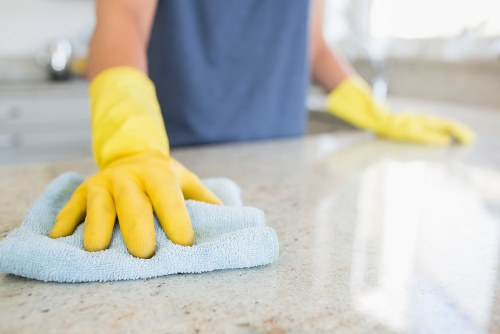
Quick action is one of the most important steps in pet stain odour removal. The faster you respond, the less time the stain has to soak in and the easier it becomes to clean. If the accident is fresh, start by blotting the area gently with paper towels or a clean cloth. Avoid rubbing, because that can push the stain deeper into the fibers and spread the mess.
Next, use cool water to dilute the affected area and continue blotting. For urine and vomit, it is often helpful to apply an enzymatic cleaner that breaks down organic matter. These cleaners are designed specifically for pet stain odour removal and can help neutralize lingering smells rather than just masking them.
If you are dealing with a carpet or rug, inspect the backing and padding as well. A stain that looks small on the surface may have soaked through. For upholstery, check the care label before applying any product. Fast, careful treatment makes a big difference in successful pet stain odour removal and helps protect your furnishings from permanent damage.
Step-by-Step Pet Stain Odour Removal for Carpets
Carpet is one of the most common surfaces affected by pet accidents, and it often requires a multi-step process to remove both visible staining and odour.
- Blot immediately: Absorb as much liquid as possible without scrubbing.
- Rinse with cool water: Lightly dampen the area to dilute residue, then blot again.
- Apply an enzymatic cleaner: Follow the manufacturer’s instructions carefully and allow it to sit long enough to work.
- Blot again: Remove excess moisture and cleaner with a dry cloth.
- Let it dry completely: Use fans or open windows to speed drying.
- Repeat if needed: Older stains may need multiple treatments for full pet stain odour removal.
If the odour remains after the carpet dries, the stain may still be active below the surface. This is when deeper cleaning or professional extraction can be especially valuable. Pet stain odour removal on carpets is often most effective when the treatment reaches the underlay, not just the visible fibers.
It is also worth checking the room for trapped odour in nearby fabrics, such as curtains, couch cushions, or area rugs. Odour molecules can travel, and a thorough approach is often the best way to ensure the whole space smells fresh again.
Natural Solutions vs. Commercial Cleaners
Many homeowners prefer to start with household products, while others rely on commercial cleaners for stronger results. Both can be useful, but it is important to know their strengths and limitations. Baking soda, vinegar, and diluted dish soap are often mentioned for pet stain odour removal, and they may help with light, fresh accidents on some surfaces.
However, natural solutions do not always break down uric acid crystals effectively. In those cases, the smell may return after the area dries or when humidity rises. Commercial enzymatic cleaners are usually more effective for pet stain odour removal because they target the organic compounds causing the odour.
Choosing the right cleaner depends on the material, the severity of the stain, and how long it has been there. For delicate fabrics or valuable rugs, it is always smart to test a small hidden area first. If you are unsure, a professional-grade treatment may offer better protection and longer-lasting results.
When to Use Enzymatic Cleaners
Enzymatic cleaners are widely recommended for pet stain odour removal because they contain active ingredients that digest organic waste. Instead of covering the smell, they help eliminate it at the molecular level.
- Best for: Urine, vomit, feces, and other organic pet messes.
- Works well on: Carpet, rugs, upholstery, mattresses, and pet bedding.
- Important tip: Saturate the affected area enough to reach all layers of the stain.
- Time matters: Let the product sit as directed so the enzymes can work properly.
For older or repeated accidents, the cleaner may need to be applied more than once. In many cases, successful pet stain odour removal depends on patience and allowing the product enough contact time. Rushing the process may leave behind hidden residue and an unpleasant smell.
If your pet keeps returning to the same area, it may be because the scent was never completely removed. Enzymatic treatment can help interrupt this cycle and support long-term cleanliness.
How to Remove Pet Odours from Upholstery and Furniture
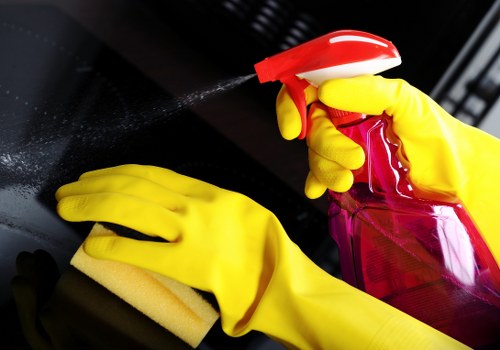
Upholstered furniture can trap odours in cushions, seams, and padding, making pet stain odour removal more challenging than it first appears. Before using any cleaner, check the care instructions and identify whether the fabric is water-safe. Some materials require very careful treatment to avoid water marks or shrinkage.
Begin by blotting the area and applying a suitable upholstery-safe cleaner. If the accident has reached deep into the cushions, you may need to remove the cushion covers and treat the inner padding separately if possible. Pet stain odour removal on furniture often requires attention to both the outer fabric and the hidden layers beneath it.
After treatment, allow the area to dry thoroughly. Use fans to improve airflow and reduce the risk of mildew. If the odour still remains, the problem may be deeper in the cushion filling, which can require specialized extraction or replacement of affected materials.
Pet Odour Removal from Hard Floors
Hard floors are generally easier to clean than carpet, but they can still hold onto smells if liquid seeps into cracks, grout lines, or damaged finishes. The right method depends on the flooring type.
- Tile and grout: Clean with a pet-safe cleaner and pay extra attention to grout lines.
- Laminate: Use minimal moisture to avoid warping.
- Hardwood: Wipe quickly and avoid soaking the wood, which can cause damage.
- Vinyl: Often easier to clean, but seams should still be checked carefully.
For hard floors, pet stain odour removal is often about speed and precision. The longer moisture sits, the more likely it is to seep into hidden spaces. Drying the area thoroughly after cleaning is just as important as applying the right product.
If a smell persists, it may indicate damage beneath the surface. In that case, deeper inspection is needed to determine whether the subfloor or nearby trim has absorbed odour.
Deep Odour Problems: When Stains Are Old or Repeated
Old stains are usually the most frustrating part of pet stain odour removal. Over time, repeated exposure can cause residue to build up and penetrate deeply into carpets, padding, and even subfloors. At that stage, surface cleaning alone is unlikely to solve the problem.
Repeated accidents also create layered contamination. A pet may return to the same location because the scent still exists, and each new accident compounds the issue. Effective pet stain odour removal in these situations often requires a more intensive process involving deep extraction, targeted enzyme treatment, and thorough drying.
In some homes, especially older ones, the odour may persist because it has reached hidden structural materials. If that happens, removing the affected section and treating the area below may be necessary to fully eliminate the smell.
Signs You Need Professional Pet Stain Odour Removal
There are times when DIY methods are not enough. Professional treatment can save time and prevent further damage when the problem is extensive.
- The smell returns after cleaning.
- The stain is old, large, or repeated frequently.
- Odour has spread to multiple rooms or levels.
- Carpet padding, flooring, or upholstery feels saturated.
- You want to protect delicate or expensive materials.
Professional pet stain odour removal services often use advanced extraction, commercial-grade enzymes, and specialized detection tools to locate hidden contamination. This can make a major difference when home treatments no longer work.
Booking professional help sooner rather than later can also prevent long-term damage, reduce the risk of staining, and improve the overall cleanliness of your home.
Preventing Future Accidents and Odours
The best pet stain odour removal strategy is prevention. While accidents can happen, there are several practical steps you can take to reduce the chance of repeat issues and make cleanup easier if they do occur.
- Train pets consistently: Reinforce house-training and designated bathroom areas.
- Clean accidents quickly: Immediate action limits absorption and smell.
- Use washable covers: Protect furniture and pet beds with removable fabrics.
- Maintain litter boxes: For cats, frequent cleaning reduces odour buildup.
- Monitor health: Sudden accidents may indicate a medical issue that needs attention.
Keeping your home fresh also means addressing odour sources beyond accidents. Regular vacuuming, washing pet bedding, and cleaning high-traffic pet areas all support long-term freshness. Pet stain odour removal is much easier when the home is maintained proactively.
Air circulation also helps. Open windows when possible, use fans, and keep humidity under control. These simple habits can prevent lingering smells from settling into fabrics and soft furnishings.
Best Practices for Long-Term Freshness
Once the immediate problem is solved, it is smart to build habits that support a cleaner, fresher environment. Strong pet stain odour removal results are more likely when maintenance becomes part of your routine.
Helpful habits to adopt
- Inspect common accident areas regularly.
- Keep an enzyme cleaner on hand.
- Wash pet blankets and bedding weekly.
- Vacuum carpets and upholstery frequently.
- Use washable mats near litter boxes and doors.
Consistency matters. If you treat small accidents promptly and thoroughly, you reduce the chances of lasting odours and protect your flooring and furniture from deeper damage. Over time, this makes pet stain odour removal simpler and less frequent.
For homes with multiple pets or older animals, a regular maintenance routine can make a noticeable difference in smell, hygiene, and comfort.
Choosing the Right Pet Stain Odour Removal Approach
There is no one-size-fits-all solution for pet stain odour removal. The right method depends on the surface, the age of the stain, and how deeply the mess has penetrated. Fresh accidents may respond well to blotting and enzymatic cleaning, while older stains may need repeated treatment or professional extraction.
It is also important to think about the type of material being cleaned. Carpets, mattresses, furniture, and hardwood all require different approaches. Using the wrong product can worsen the problem or damage the surface. That is why careful assessment is such an important part of pet stain odour removal.
If the smell is strong, persistent, or returning after treatment, it is usually a sign that the source has not been fully neutralized. In those cases, a deeper and more specialized cleaning method is the most reliable path to success.
Final Thoughts on a Fresher, Cleaner Home
Pet ownership should be enjoyable, not stressful. With the right approach, pet stain odour removal can be managed effectively, whether you are handling a fresh accident or a stubborn lingering smell. Acting quickly, using the right products, and paying attention to hidden contamination are the keys to real results.
When you understand how pet odours behave, you can respond more confidently and keep your home cleaner for longer. From carpets and furniture to hard floors and bedding, every surface benefits from the right cleaning strategy. And when a problem becomes too large or too persistent, professional help can restore freshness and peace of mind.
Take action today to protect your home, your belongings, and your comfort. If pet stains and smells are becoming a recurring issue, contact us today or book your service now to get effective help with pet stain odour removal and enjoy a fresher living space.